- GLP-1 medicines do improve insulin resistance in trials, largely through weight loss: in STEP 1, 84.1% of adults with prediabetes reached normal blood sugar on semaglutide vs 47.8% on placebo.7
- Over about 3 years in SURMOUNT-1, 1.3% of adults with obesity and prediabetes developed type 2 diabetes on tirzepatide vs 13.3% on placebo.8
- The gains fade as weight returns after stopping. One year after semaglutide ended, most people who had reached normal blood sugar were back in the prediabetes range.9
What is insulin resistance?
Insulin is a hormone made by the pancreas. It tells your muscles, liver and fat to take sugar (glucose) out of the blood and use or store it. Insulin resistance means those tissues respond weakly to insulin, so the pancreas has to make more to keep blood sugar normal. Over years, if the pancreas cannot keep up, blood sugar rises, first to prediabetes and then to type 2 diabetes.
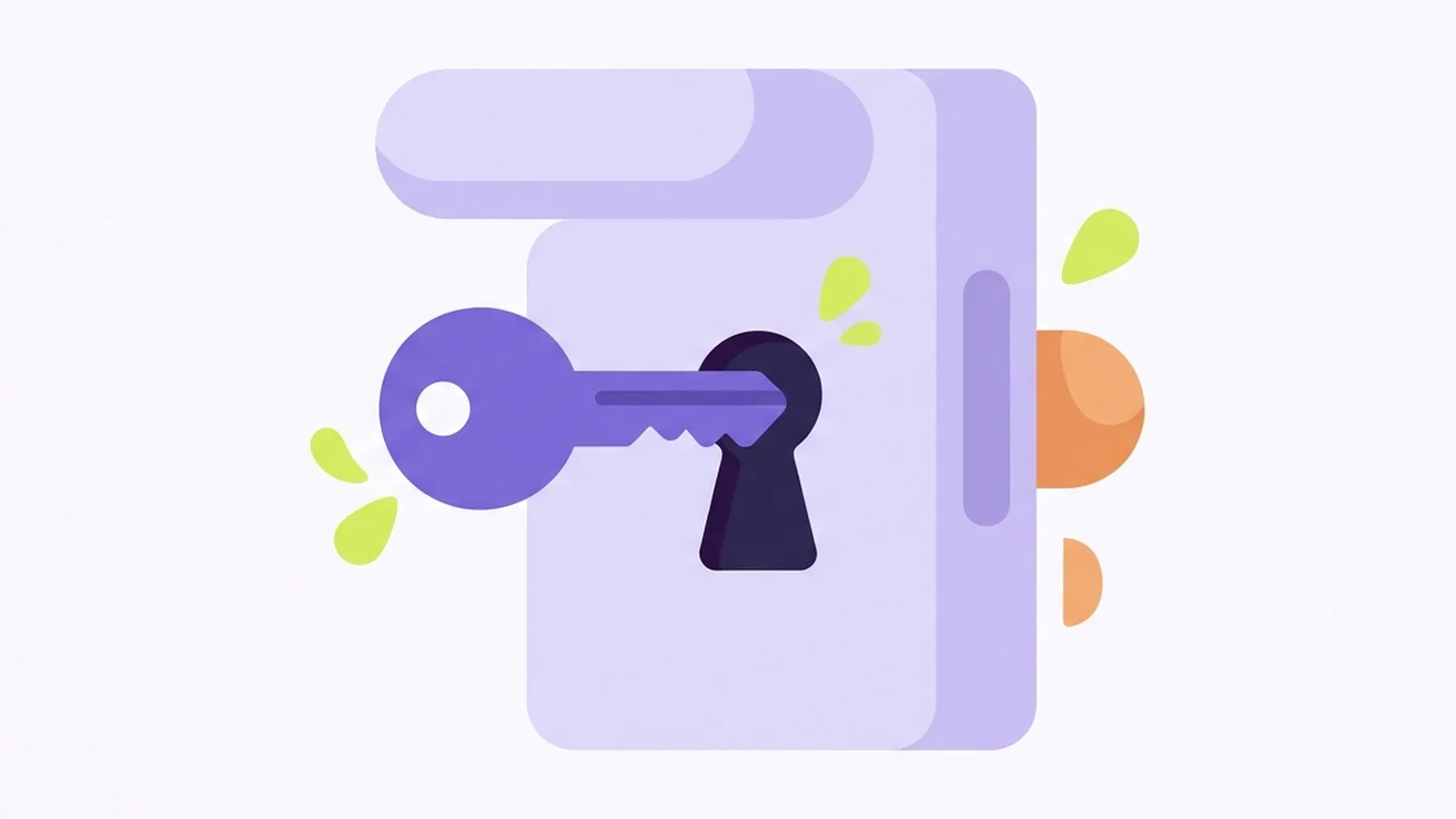
An everyday picture: insulin is a key and your cells have locks. With insulin resistance, the locks are stiff, so you need more keys to open the same number of doors. The analogy stops working because insulin does many jobs in different organs, and resistance can be worse in the liver than in muscle, for example. It is not one lock.
What is prediabetes, and how is insulin resistance measured?
Prediabetes means blood sugar is higher than normal but not yet in the diabetes range. Doctors use blood tests with standard cut-offs from the American Diabetes Association (ADA):1
| Test | Normal | Prediabetes | Diabetes |
|---|---|---|---|
| A1C (average blood sugar over about 3 months) | below 5.7% | 5.7% to 6.4% | 6.5% or higher |
| Fasting blood glucose | below 100 mg/dL | 100 to 125 mg/dL | 126 mg/dL or higher |
Insulin resistance itself is harder to measure. These are the common approaches:
- Fasting insulin. A high insulin level with normal sugar suggests the pancreas is working harder than usual. There is no single agreed normal range across labs.
- HOMA-IR. A score calculated from fasting glucose and fasting insulin. In the 1985 paper that introduced it, it tracked the gold-standard test closely (correlation 0.88), but its precision was low (coefficient of variation 31%), so one result can mislead.3 Studies use it to compare groups more than to diagnose a person.
- Clamp test. The research gold standard: insulin and glucose are dripped into a vein to see how much sugar the body takes up. It is not used in routine care.
Your A1C is the number you are most likely to see at a check-up. It measures the result of insulin resistance (higher sugar), not insulin resistance directly.
How do GLP-1 medicines lower blood sugar?
GLP-1 is a gut hormone released after meals. A GLP-1 receptor agonist is a drug that switches on the same receptor as the body's own GLP-1. Semaglutide (Wegovy, Ozempic) and tirzepatide (Zepbound, Mounjaro) work this way; tirzepatide also switches on the receptor for a second gut hormone, GIP. They lower blood sugar in three main ways:4,10
- More insulin, but only when sugar is high. The labels call this "glucose-dependent", meaning the extra insulin depends on blood sugar being raised.
- Less glucagon. Glucagon is the hormone that tells the liver to release sugar. The medicines turn it down.
- Slower stomach emptying and smaller meals, so sugar enters the blood more gradually. See gastric emptying and GLP-1.
The Wegovy and Zepbound labels (section 7.1) warn that taking these medicines with insulin or a sulfonylurea raises the risk of low blood sugar.10
Do GLP-1 medicines improve insulin sensitivity?
Insulin sensitivity is the opposite of insulin resistance: how well the body responds to insulin. The Zepbound label (section 12.2) says tirzepatide increased insulin sensitivity in a clamp study of people with type 2 diabetes after 28 weeks.10 Most of the improvement seems to come from losing weight, especially fat:
- An exploratory analysis of that 28-week trial found insulin sensitivity improved in proportion to weight and fat lost. Tirzepatide 15 mg gave more improvement per unit of weight lost than semaglutide 1 mg.5
- In a post hoc analysis of 1,605 adults without diabetes on tirzepatide in SURMOUNT-1, HOMA-IR fell even with modest weight loss. Those who lost at least 35% of their weight saw HOMA-IR drop by 59.7% over 72 weeks.6
What the trials found in prediabetes
Semaglutide: STEP 1, 3 and 4
An analysis of 3,375 adults with overweight or obesity, without diabetes, looked at the 1,536 who had prediabetes at the start (A1C 5.7–6.4% or a raised fasting glucose). In STEP 1, 84.1% reached normal blood sugar after 68 weeks on semaglutide 2.4 mg vs 47.8% on placebo. Compared with placebo, A1C fell by an extra 0.35 percentage points and HOMA-IR by an extra 28%. Among people who started with normal blood sugar, 2.9% moved into prediabetes on semaglutide vs 10.9% on placebo.7
Tirzepatide: SURMOUNT-1 at 3 years
Of 2,539 adults with obesity in SURMOUNT-1, 1,032 also had prediabetes. They took tirzepatide (5, 10 or 15 mg) or placebo for 176 weeks. Weight fell by 12.3%, 18.7% and 19.7% on the three doses vs 1.3% on placebo. Type 2 diabetes was diagnosed in 1.3% on tirzepatide vs 13.3% on placebo, a hazard ratio of 0.07, meaning a much lower rate.8
Neither the Wegovy nor the Zepbound label lists preventing diabetes as an approved use; both are approved for weight management and other conditions.10 If you have PCOS, where insulin resistance is common, see GLP-1 and PCOS. For people who already have type 2 diabetes, see weight loss with type 2 diabetes.
What happens to insulin resistance after stopping a GLP-1?
The improvements depend on staying on treatment. Two trials checked:
- STEP 1 extension. 327 adults were followed for a year after semaglutide and lifestyle support ended at week 68. They had lost 17.3% of their weight, then regained 11.6 percentage points of it. Among those with prediabetes at the start, 93.6% had normal blood sugar at week 68 on semaglutide vs 41.5% on placebo. By week 120, it was 43.3% vs 34.0%. Most heart and metabolic measures drifted back toward where they started.9
- SURMOUNT-1. After a 17-week break from treatment, the share with type 2 diabetes rose to 2.4% on tirzepatide vs 13.7% on placebo (hazard ratio 0.12). It was still lower than placebo, but higher than during treatment.8
This fits the idea that insulin resistance tracks body weight, especially fat. For the full picture on weight after stopping, see what happens when you stop a GLP-1. Any decision to start, continue or stop belongs with your care team.
Key terms in this article
- Insulin: a hormone from the pancreas that moves sugar from the blood into cells.
- Insulin resistance: when the body responds weakly to insulin, so more is needed.
- Insulin sensitivity: the opposite of resistance; how well the body responds to insulin.
- Prediabetes: blood sugar above normal but below the diabetes range (A1C 5.7–6.4%).
- A1C: a blood test showing average blood sugar over about 3 months.
- HOMA-IR: a score from fasting glucose and insulin that estimates insulin resistance.
- Glucagon: a hormone that tells the liver to release sugar into the blood.
- Glucose-dependent: working only when blood sugar is raised.
- Hazard ratio: how fast an event happens in one group compared with another; 0.07 means a much lower rate.
Common questions
Do GLP-1 agonists improve insulin resistance?
Yes, in trials, and mostly in proportion to weight lost. Among adults with obesity and prediabetes in the STEP 1 trial, semaglutide 2.4 mg lowered HOMA-IR, a blood-test estimate of insulin resistance, by 28% more than placebo over 68 weeks. In SURMOUNT-1, people who lost at least 35% of their weight on tirzepatide had HOMA-IR fall by 59.7%.
Can GLP-1 medicines reverse prediabetes?
In the STEP 1 trial of adults with overweight or obesity, 84.1% of those with prediabetes had normal blood sugar after 68 weeks on semaglutide 2.4 mg vs 47.8% on placebo. In SURMOUNT-1, 1.3% of adults with obesity and prediabetes developed type 2 diabetes over about 3 years on tirzepatide vs 13.3% on placebo.
What happens to insulin resistance after stopping a GLP-1?
The gains shrink as weight returns. In the STEP 1 extension of 327 adults, 93.6% of those with prediabetes had normal blood sugar after 68 weeks of semaglutide, but one year after stopping only 43.3% did, vs 34.0% in the placebo group. In SURMOUNT-1, diabetes rates rose from 1.3% to 2.4% after 17 weeks off tirzepatide.
Does insulin sensitivity improve on tirzepatide more than semaglutide?
In a 28-week trial in people with type 2 diabetes, an exploratory analysis found insulin sensitivity improved in proportion to weight lost on both drugs, with a larger improvement per unit of weight lost on tirzepatide 15 mg than on semaglutide 1 mg. This was a post hoc analysis, so it is a hint, not proof.
What A1C means prediabetes?
The American Diabetes Association defines prediabetes as an A1C of 5.7% to 6.4% or a fasting blood glucose of 100 to 125 mg/dL. An A1C of 6.5% or higher, or a fasting glucose of 126 mg/dL or higher, is in the diabetes range.
Sources
- American Diabetes Association. Diagnosis (A1C and fasting plasma glucose ranges). diabetes.org, accessed November 2026.
- American Diabetes Association Professional Practice Committee for Diabetes. 2. Diagnosis and Classification of Diabetes: Standards of Care in Diabetes-2026. Diabetes Care. 2026;49(Supplement_1):S27-S49. doi:10.2337/dc26-S002 · PubMed
- Matthews DR, Hosker JP, Rudenski AS, et al. Homeostasis model assessment: insulin resistance and beta-cell function from fasting plasma glucose and insulin concentrations in man. Diabetologia. 1985;28(7):412-9. doi:10.1007/BF00280883 · PubMed
- Drucker DJ. Mechanisms of Action and Therapeutic Application of Glucagon-like Peptide-1. Cell Metab. 2018;27(4):740-756. doi:10.1016/j.cmet.2018.03.001 · PubMed
- Mather KJ, Mari A, Weerakkody G, et al. Greater improvement in insulin sensitivity per unit weight loss associated with tirzepatide versus semaglutide: An exploratory analysis. Diabetes Obes Metab. 2025;27(3):1507-1514. doi:10.1111/dom.16159 · PubMed
- Linetzky B, Sattar N, Verma S, et al. Improvements in Cardiometabolic Risk Factors by Weight Reduction: A Post Hoc Analysis of Adults With Obesity Randomly Assigned to Tirzepatide. Ann Intern Med. 2025;178(8):1095-1105. doi:10.7326/ANNALS-24-02623 · PubMed
- Perreault L, Davies M, Frias JP, et al. Changes in Glucose Metabolism and Glycemic Status With Once-Weekly Subcutaneous Semaglutide 2.4 mg Among Participants With Prediabetes in the STEP Program. Diabetes Care. 2022;45(10):2396-2405. doi:10.2337/dc21-1785 · Full text (PMC)
- Jastreboff AM, le Roux CW, Stefanski A, et al. Tirzepatide for Obesity Treatment and Diabetes Prevention. N Engl J Med. 2025;392(10):958-971. doi:10.1056/NEJMoa2410819 · PubMed
- Wilding JPH, Batterham RL, Davies M, et al. Weight regain and cardiometabolic effects after withdrawal of semaglutide: The STEP 1 trial extension. Diabetes Obes Metab. 2022;24(8):1553-1564. doi:10.1111/dom.14725 · Full text (PMC)
- US prescribing information: WEGOVY and ZEPBOUND (sections 1, 7.1, 12.1, 12.2; DailyMed, 2026 versions checked November 2026).
